
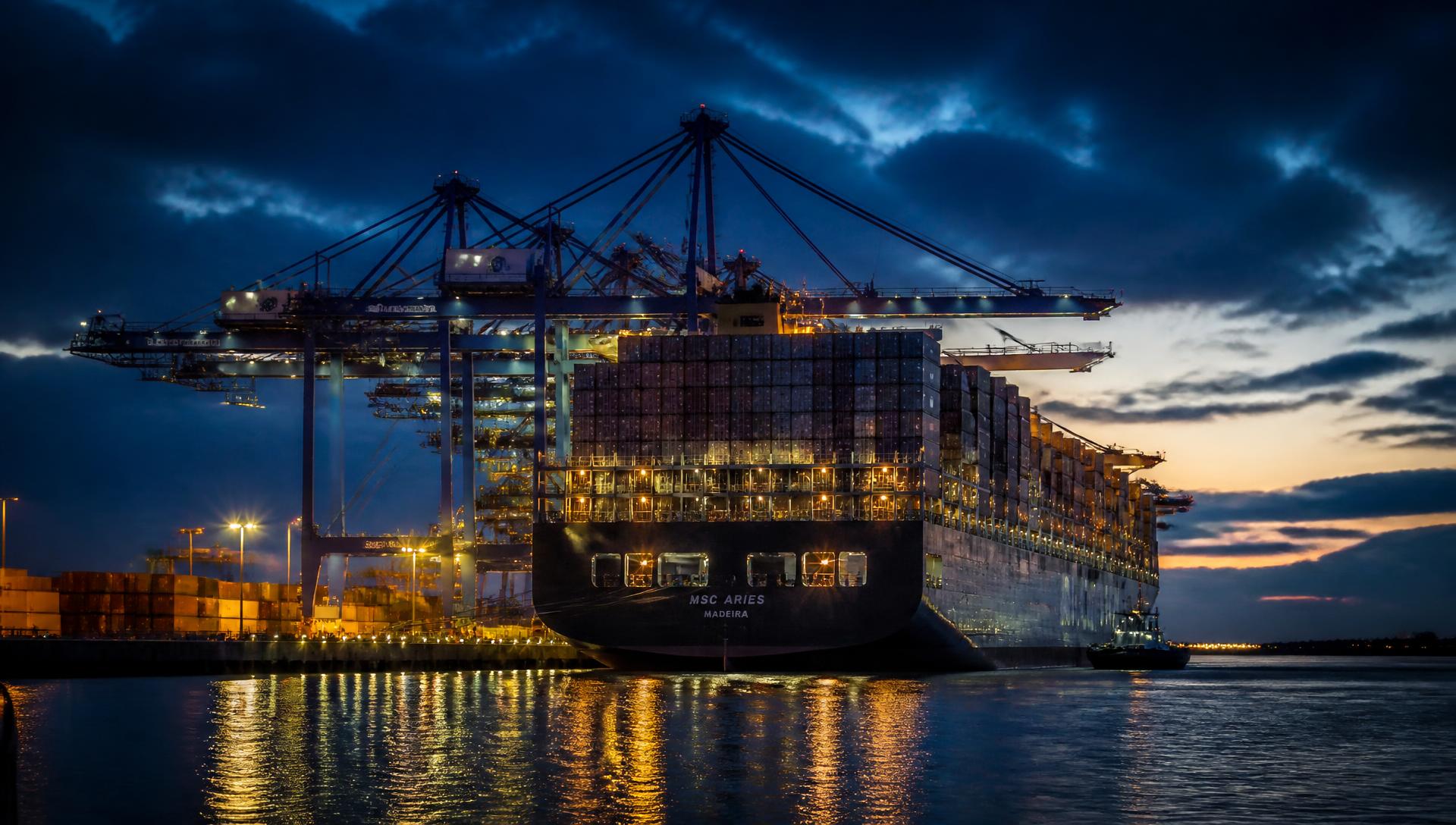
Shipping lines and airlines are not insurers. Their liability is capped by international convention, roughly two Special Drawing Rights per kilo at sea and around twenty-two at air, which for a car, a container of furniture or a pallet of machinery is a small fraction of what the goods are actually worth. Marine cargo insurance closes that gap.
Pricing guide
Shipping Pricing Guide
Indicative UK export rates across air freight, vehicle shipping and container shipping
| Saloon car — RoRoUK port to destination port | from £695 |
| 20ft container (FCL) | from £1,450 |
| 40ft container (FCL) | from £2,050 |
| 40ft high cube container | from £2,190 |
| LCL groupageMinimum 2 m³ | from £95 per m³ |
| Air freight general cargo300 kg and above | from £2.85 per kg |
| UK collection & export entry | from £110 combined |
Indicative rates only, excluding VAT where applicable. Final pricing depends on dimensions, weight, sailing schedule and destination charges.
Our policy is all-risk, warehouse to warehouse, on Institute Cargo Clauses (A) terms. It runs from the moment your goods are collected in the UK until they are delivered at the destination address, and it covers loss, physical damage, theft, jettison, water ingress, container overboard and your contribution to general average, the shared cost when a vessel is salvaged and every cargo owner on board pays their share regardless of fault.
The premium is 1.5% of the declared CIF value, meaning the value of the goods plus the freight and the insurance itself, with a minimum premium. Declare the honest replacement value: under-declaring saves a few pounds of premium and risks the claim being averaged down proportionally, which is the most common reason people are disappointed by a settlement.
Cover is arranged at the time of booking. We issue the certificate before the sailing or flight and hold the policy schedule on your file, so if you need to show it to a bank, a buyer or a customs authority it is one email away.
What all-risk cover includes
- Total loss and partial physical damage
- Theft, pilferage and non-delivery
- Water damage, ingress and condensation
- Handling, loading and stevedore damage
- Jettison and washing overboard
- General average and salvage contribution
- Warehouse-to-warehouse duration
- Storage in transit at our facility
What is not covered
Standard exclusions apply: inherent vice and ordinary wear, insufficient or unsuitable packing, delay and consequential loss, mechanical or electrical derangement without external damage, and pre-existing damage recorded before shipment. Vehicles shipped by RoRo cannot be covered for contents, because personal effects are not permitted in the vehicle. Cash, jewellery, documents and livestock are excluded unless specifically declared and accepted.
How Your Shipment Moves
Quote & booking
Rates, sailing or flight options confirmed in writing.
UK collection
Nationwide collection or delivery into our Tilbury depot.
Loading & packing
Lashing, crating, palletising and photographic record.
Customs & export
Export entry, NES clearance and documentation released.
Transit & delivery
Tracking updates until the cargo lands with your consignee.
How to make a claim
Note any visible damage on the delivery receipt before you sign it and photograph the cargo before it is moved. Tell us within three working days of delivery, and within seven days at the latest, and we will send the claim form and the documents underwriters need: the certificate, the packing list or valued inventory, photographs, repair or replacement quotations and the delivery note. Do not dispose of damaged goods or packaging until the surveyor has seen them.
Valuing personal effects and vehicles
For household removals, submit a valued inventory that lists items and their replacement cost, most policies require anything worth more than a set threshold to be listed individually. For vehicles, use a realistic UK retail figure supported by the purchase invoice or a trade guide printout. Our team will review your figures before the certificate is issued and tell you if anything looks likely to cause a dispute later.